Food for Thought: Why Fibre Outpaces Probiotics
What actually is a “prebiotic”.
A prebiotic is a substrate that’s selectively used by host microbes to confer a health benefit. In plain English: it’s food for your good bugs, and when they eat, you win. Think specific fibres such as inulin, fructo-oligosaccharides (FOS), galacto-oligosaccharides (GOS), and resistant starch.

Why fibre (from food) is such a strong bet
- Big, durable outcome data. Higher fibre intakes—especially from whole grains, pulses, veg and fruit—are linked to lower risk of all-cause mortality, coronary heart disease, stroke, type 2 diabetes, and colorectal cancer; clinical trials also show lower body weight and LDL. Benefits start around 25–29 g/day and may rise with more.
- Policy-level endorsement. WHO’s 2023 guideline emphasises carbohydrate quality—i.e., fibre-rich whole foods for everyone ≥2 years. (Nice when the boring grown-ups agree.)
- Mechanism that maps to benefits. Your microbes ferment fibre → short-chain fatty acids (SCFAs) → improved gut barrier, glucose and lipid metabolism, blood pressure modulation, and lower inflammation.
- It adapts with you. Prebiotic responses vary person-to-person, but certain fibres show conserved SCFA boosts across people—i.e., reliable direction of travel even if magnitude differs.
“But aren’t probiotics the star?” — the mixed reality
- Strain matters. Benefits are strain-specific and condition-specific; “one random capsule” ≠ guaranteed effect. Evidence for healthy people is limited or inconsistent.
- After antibiotics, tread carefully. A landmark human study found multi-strain probiotics delayed return to a person’s own microbiome vs watchful waiting, while autologous FMT restored it fastest. A 2023 meta-analysis likewise found no justification for probiotics to maintain diversity during antibiotics.
- There are wins. Certain formulations show benefits for IBS and other niches—but results are heterogeneous and trial quality varies. Translation: sometimes yes, often “it depends”.
Bottom line: For the general population and for long-term risk reduction, the weight of evidence favours fibre-rich eating patterns over routine probiotic supplementation. Use probiotics selectively, guided by condition, strain, and clinician advice—not as a daily multivitamin stand-in.
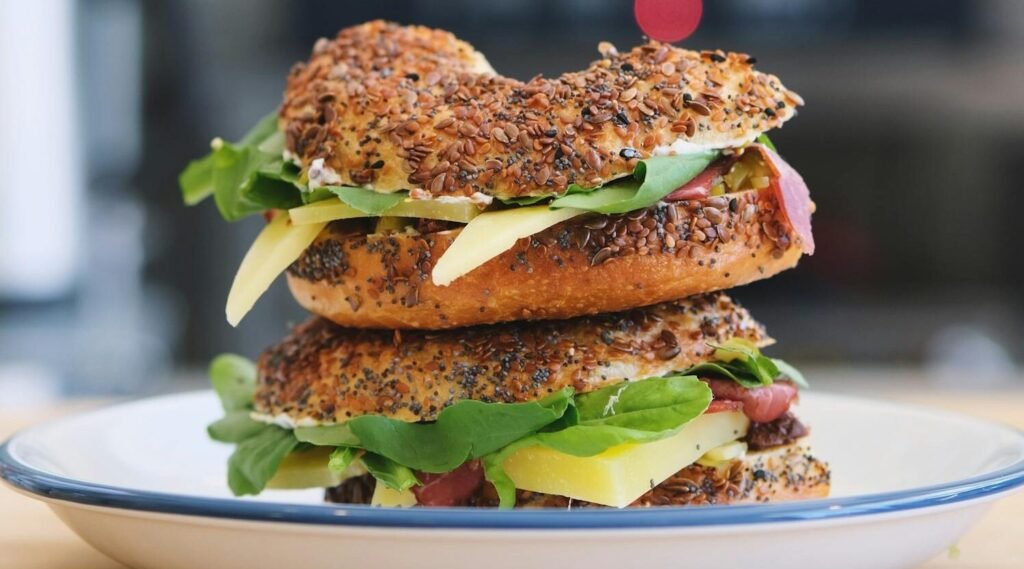
Practical playbook: prebiotic foods that move the needle
Aim for 25–30+ g fibre/day from low-processed plants. (Australia’s guidance targets similar totals; most people don’t get there.) World Health OrganizationEat For Health
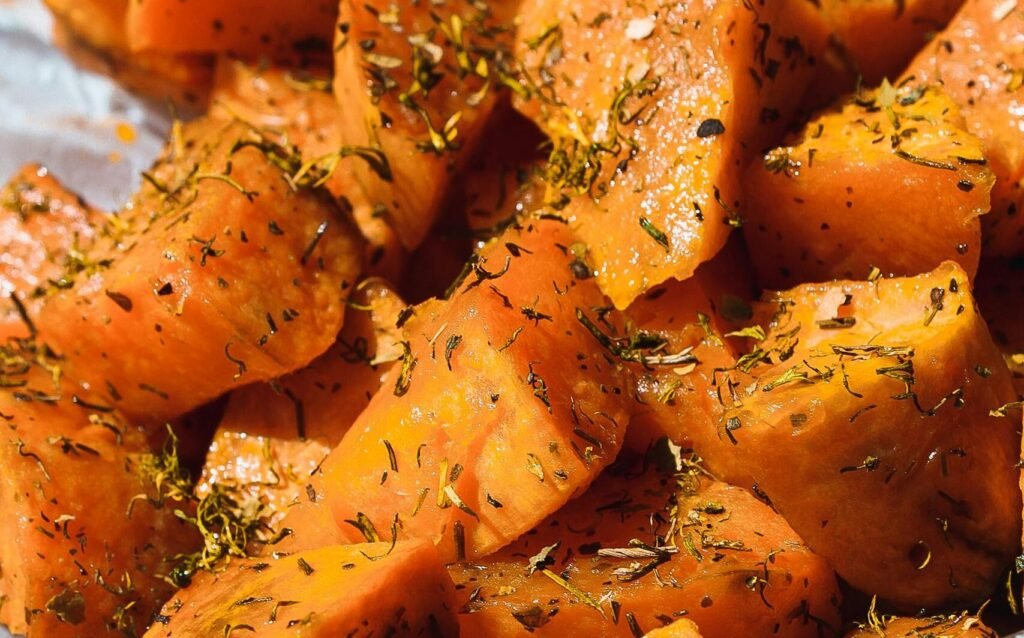
- Resistant starch sources: cooked-and-cooled potatoes or rice, firm bananas, oats, legumes, high-amylose grains. RS consistently boosts SCFAs in trials.
- Inulin/FOS: onions, leeks, garlic, Jerusalem artichokes, chicory root.
- GOS: chickpeas, lentils, other legumes.
- Whole grains & bran: barley, rye, wheat bran; bring beta-glucans and arabinoxylans with cardiometabolic benefits.
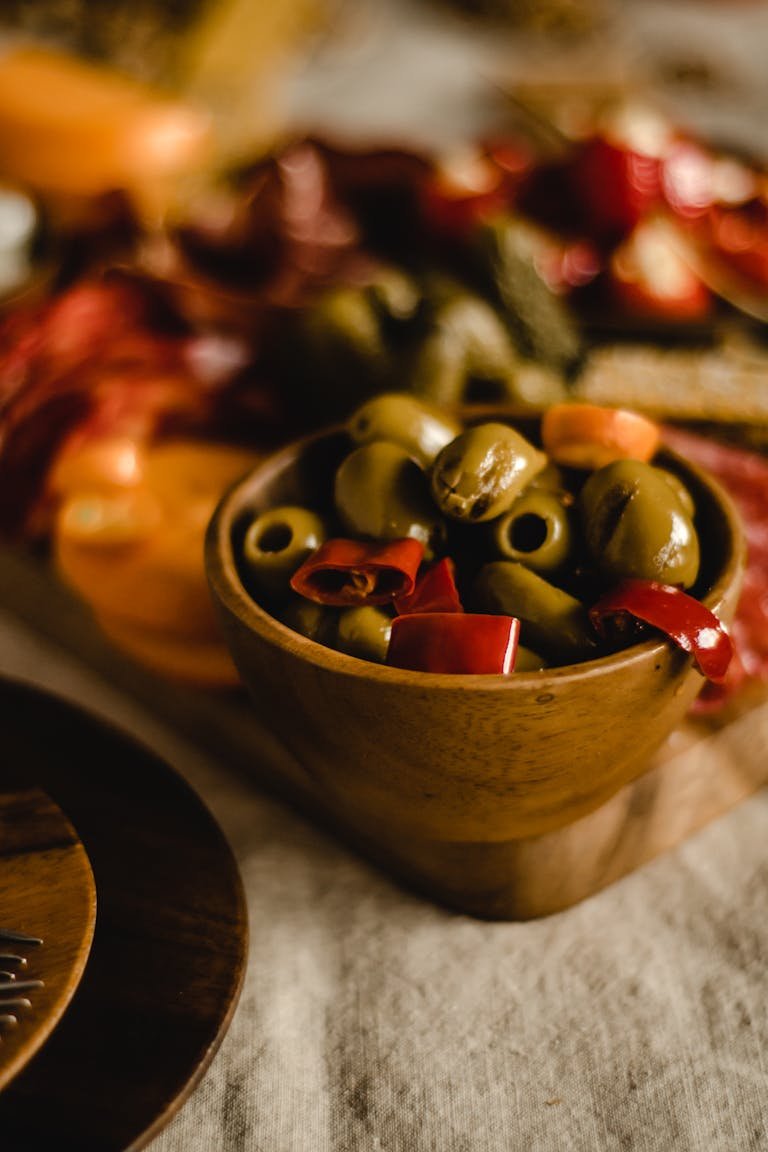
- Polyphenol-rich fibre: berries, olives, extra-virgin olive oil with veg—polyphenols and fibre co-operate to shape microbes.
How to level up without any discomfort
- Nudge up by ~5 g/week to avoid bloat, and drink water—fibre is thirsty work.
- Swap, don’t stack: replace refined grains with whole grains; add a legume night; cool your carbs (hello, resistant starch).
- Food before powders. Supplements can be useful gaps-fillers, but whole foods deliver minerals, vitamins, and phytochemicals that no scoop matches. (WHO agrees on food-first quality.)

When probiotics do make sense
- Diagnosed conditions with strain-specific evidence (e.g., some IBS symptom sets).
- Perinatal/paediatric contexts or specific infections, guided by clinician.
- You’ve trialled diet first, and you’re testing a named strain at an evidence-based dose for a clear endpoint (symptom diary, 4–8 weeks). Evidence quality still varies—set expectations accordingly.
FAQs, briefly
Is “more fibre” always better? Not infinitely. Quality, variety, and tolerance matter more than bragging rights. Start low, go slow.
Do fermented foods replace fibre? No—complements, not substitutes. A 2021 RCT showed fermented foods can lower inflammatory markers, while high-fibre diets shape the microbiome differently. Consider both, with fibre as base layer.
What about “synbiotics”? Combining specific prebiotics + probiotics can help in targeted settings, but they’re not a shortcut around a low-fibre diet. Evidence is still developing.

The verdict
If your goal is long-run gut and whole-body health, build your day around fibre-rich, minimally processed plants and treat probiotics like tools, not talismans. Food is the platform; capsules are plugins. The platform wins.