Slow Food: Small Plates, Big Benefits for Your Gut
We often think of gut health in terms of supplements, fiber, or the latest fermented craze. But sometimes, the real fix lies not in what we eat, but how. The pace and style of eating can profoundly shape digestion, metabolism, and the microbiome. And if you’ve ever found yourself sluggish after a piled-high dinner plate, you’ll understand why Spain and Portugal’s tapas culture might be worth borrowing.

The Western Plate Problem
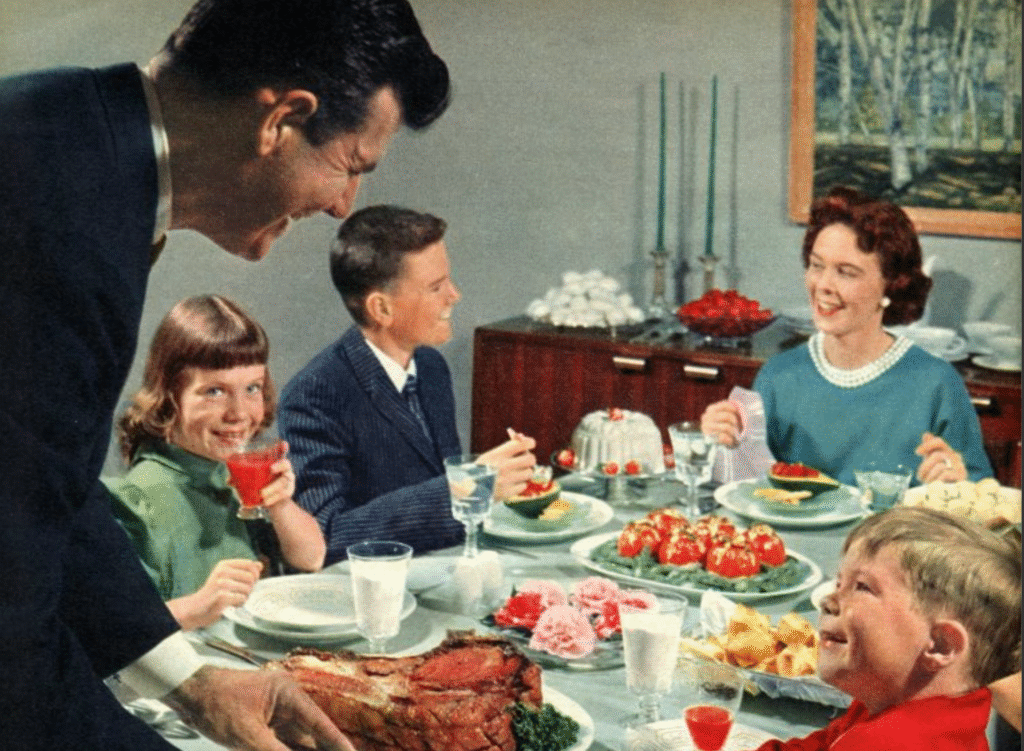
In much of the Western world, we’re raised on the idea of the “complete plate”: protein covering half the surface, carbs piled generously, and vegetables fighting for real estate. It’s efficient, familiar, and often comforting. But it also encourages large bites, rushed meals, and an all-or-nothing approach to eating. Over time, this habit can overwhelm digestion, dull hunger cues, and promote overeating.
Just because this is the way we grew up doesn’t mean it’s the way forward. A tapas-style approach invites us to flip the script—shrinking portions, slowing the pace, and diversifying the meal. Try it for two weeks as a lifestyle experiment: dedicate a few dinners a week to smaller plates, or weave one tapas-style lunch into your workday. Even adopting it 30–40% of the time can leave you lighter, more energized, and more in tune with your natural hunger and fullness signals.
“Digestion thrives on rhythm, not rush. The microbiome works best when meals are steady, not overloaded.”
Where Did the “All-in-One Plate” Come From?
The idea that every meal should be a neat balance of protein, starch, and vegetables isn’t as timeless as we think. Much of it comes from wartime and post-war rationing policies, when governments promoted filling, efficient meals that covered the basics in one sitting. Later, the concept was reinforced by mid-20th-century nutrition education (think USDA’s Food Pyramid in the U.S. or the “meat-and-two-veg” culture in Britain and Australia). These frameworks weren’t designed for digestive health—they were about preventing deficiencies and stretching food supplies. It’s also worth bearing in mind that portion sizes in that era were generally smaller all round.
Today, with year-round access to diverse foods, that rigid model is outdated. Nutritional balance can be achieved across the day or week, not just in a single piled-high plate. Tapas-style eating flips the script: smaller dishes, more variety, and less pressure to make every plate look like a textbook diagram.
Why Slow Eating Works So Well
1. Mindful Mastication Makes a Difference
Chewing thoroughly activates digestive enzymes (starting in saliva), eases the workload on your stomach, and primes the gut for nutrient absorption. Rushed meals often deliver half-processed chunks to the intestines, leaving gut bacteria to improvise—often with side effects like gas or bloating.
2. Slower Eating, Smarter Portions
It takes about 20 minutes for your brain to register fullness. Slowing down gives your gut time to communicate with your head, naturally curbing overeating. Studies show slow eaters consume 60–100 fewer calories per meal, simply by giving satiety signals a chance to catch up.
3. Gut-Brain Calm
Tapas culture isn’t just about small plates—it’s about lingering. Eating slowly supports vagal tone, which enhances digestion and gut-brain communication. Reduced mealtime stress creates an environment where the microbiome thrives.
4. Fewer Digestive Woes
By eating slowly and in smaller amounts, people report less bloating, reflux, and discomfort. Simply pausing between bites helps reduce swallowed air—an under-appreciated culprit behind digestive complaints.
Tapas as a Cultural Model for Gut-Friendly Dining
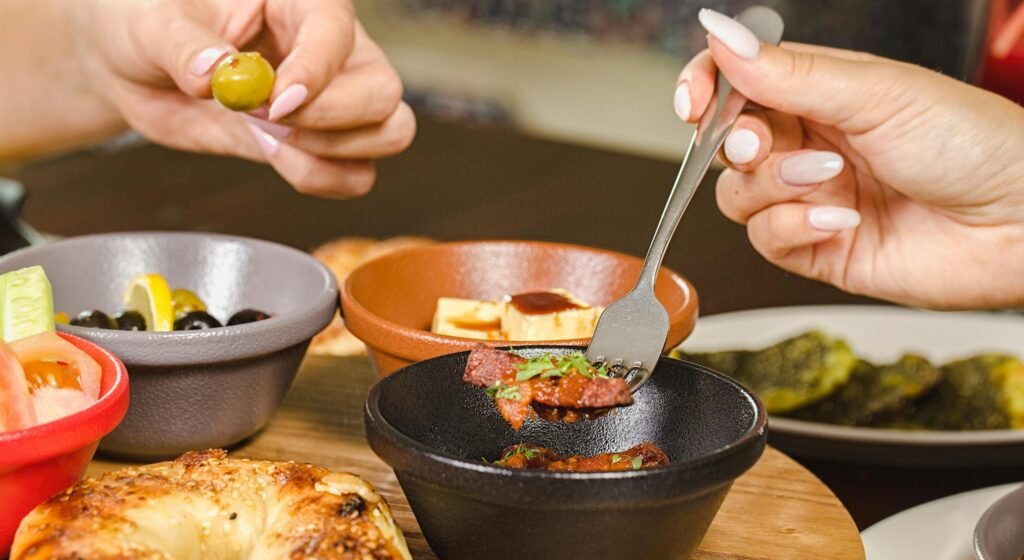
Spain consistently ranks among the healthiest nations in the world, with longevity linked in part to Mediterranean eating: olive oil, legumes, vegetables, fish, and long, unhurried meals. The ritual of tapas—small dishes eaten socially and slowly—reinforces both nutritional quality and digestive ease.
Portugal’s Atlantic Diet, rooted in seasonal produce, legumes, and abundant fish, shares these same traits. Studies link it to reduced risks of metabolic syndrome and cardiovascular disease. While it’s difficult to isolate “slow eating” from other lifestyle factors, the cultural overlap is clear: balance, variety, and pacing all support both health and the gut.
Tapas-Style Tips for Everyday Eating
- Swap plates for small bowls: Encourage portion control and variety.
- Chew deliberately: Aim for 15–20 chews per bite to aid digestion.
- Pause between bites: Put utensils down and engage in conversation.
- Go plant-forward: Lentils with olive oil, grilled peppers, or a small plate of greens.
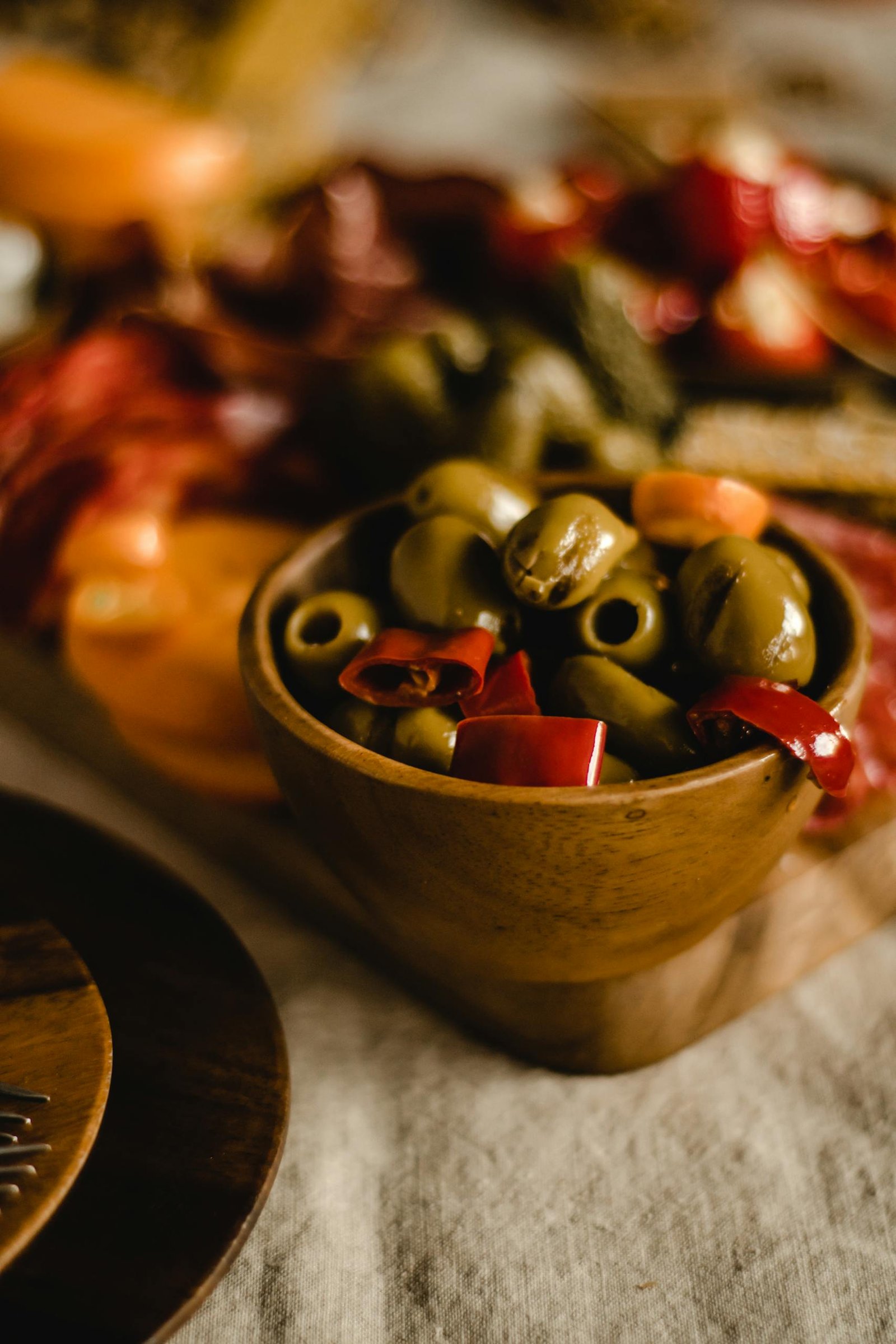
- Add a fermented option: Olives, pickled vegetables, or yogurt boost microbiome diversity.
- Serve in sequence, not pile: Present three or four small dishes one after another.
The Gut Health Connection
Slower, smaller meals do more than ease digestion—they strengthen the gut’s ecosystem. A steady pace allows the microbiome to process fiber and complex carbs efficiently, producing short-chain fatty acids like butyrate, which reduce inflammation and support energy balance. Paired with the plant-forward, olive-oil-rich dishes common to tapas culture, this eating style nourishes both your body and your microbial allies.
Final Word: Small Plates, Big Payoff
Tapas isn’t just a Spanish quirk—it’s a blueprint for gut health. By trading overloaded plates for smaller, slower, more social meals, you give your body and your microbes a chance to thrive. Start small, test it for a couple of weeks, and notice the difference. Eating like this isn’t about restriction—it’s about rhythm, variety, and connection. In short: let your gut feast, not fight.